Conversion to a streamlined business structure by reducing fixed costs
For many years, AISIN has conducted its business based on prioritizing production increases in response to sudden demand growth. This approach places a perpetually heavy burden on all the Company’s workplaces. In these circumstances, with priority on ensuring production volumes, we have had no choice but to tolerate large increases in fixed costs. Amid the current trend toward production cuts, we have scrutinized this situation carefully, concluding that we need to speed the rationalization of fixed costs to build a structure capable of maintaining profitability even at 70% of our production volume to date. Based on this rationale, AISIN is striving to set appropriate fixed cost levels in a bid to restore profitability at the earliest possible opportunity.
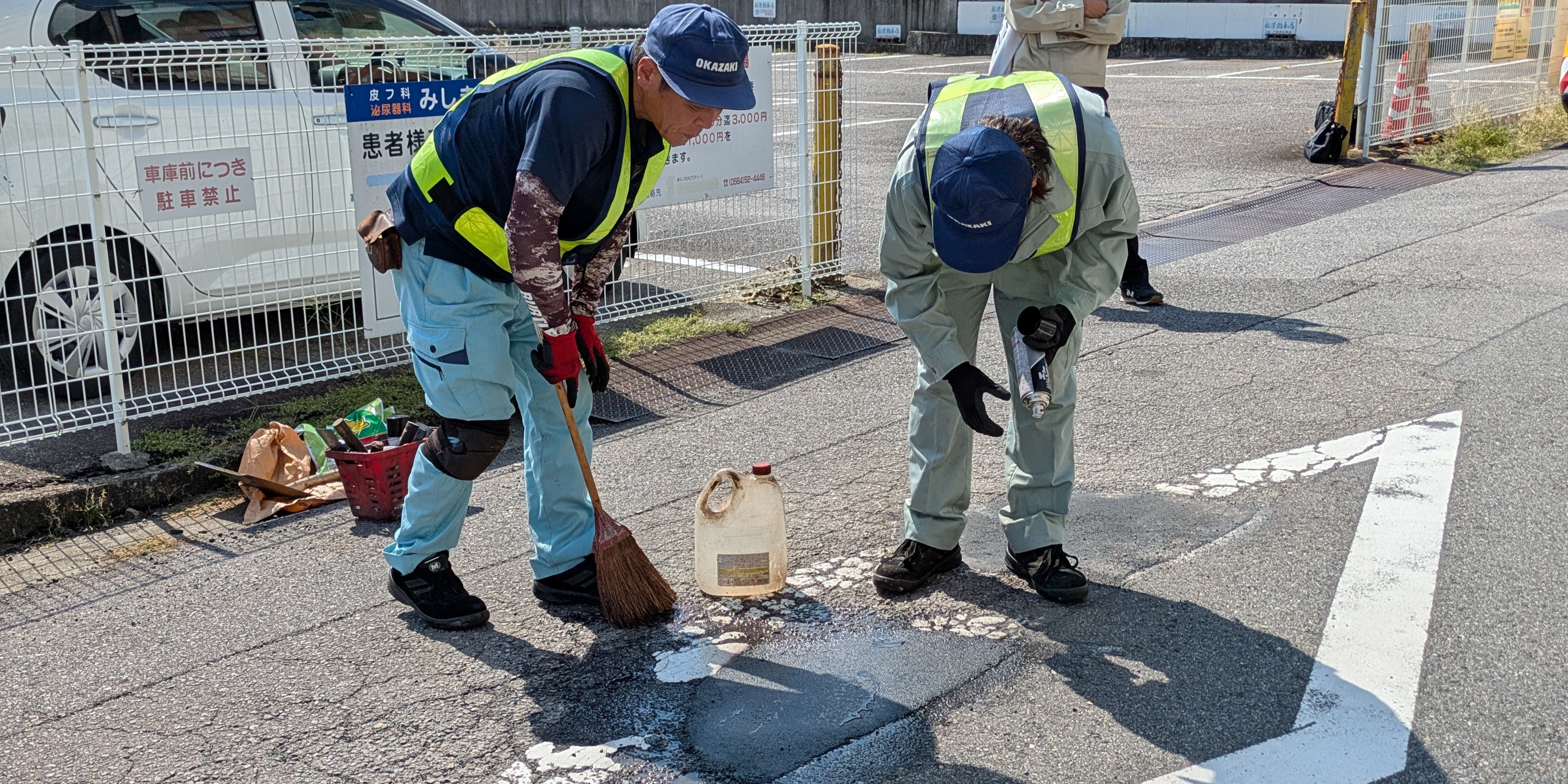
As part of the emergency measures implemented from fiscal 2009, we have cut capital expenditure with the objective of making the best possible use of our existing facilities and promoted operational reform to thoroughly revise the ways in which we work. We also improved operating efficiencies by curtailing human resource expenses and launching a sweeping effort to reduce general expenses through a campaign to remove all manner of waste—one yen, one second, one step, one drop or one gram at a time.
In the future, we will carry out various initiatives attuned to the conditions of each region and workplace, such as reducing overtime by raising business efficiency, revising the employees Ebenefit package, and restricting recruitment. Through the application of such policies, we aim to reduce fixed costs, excluding depreciation, by around ¥80 billion over the next two years.
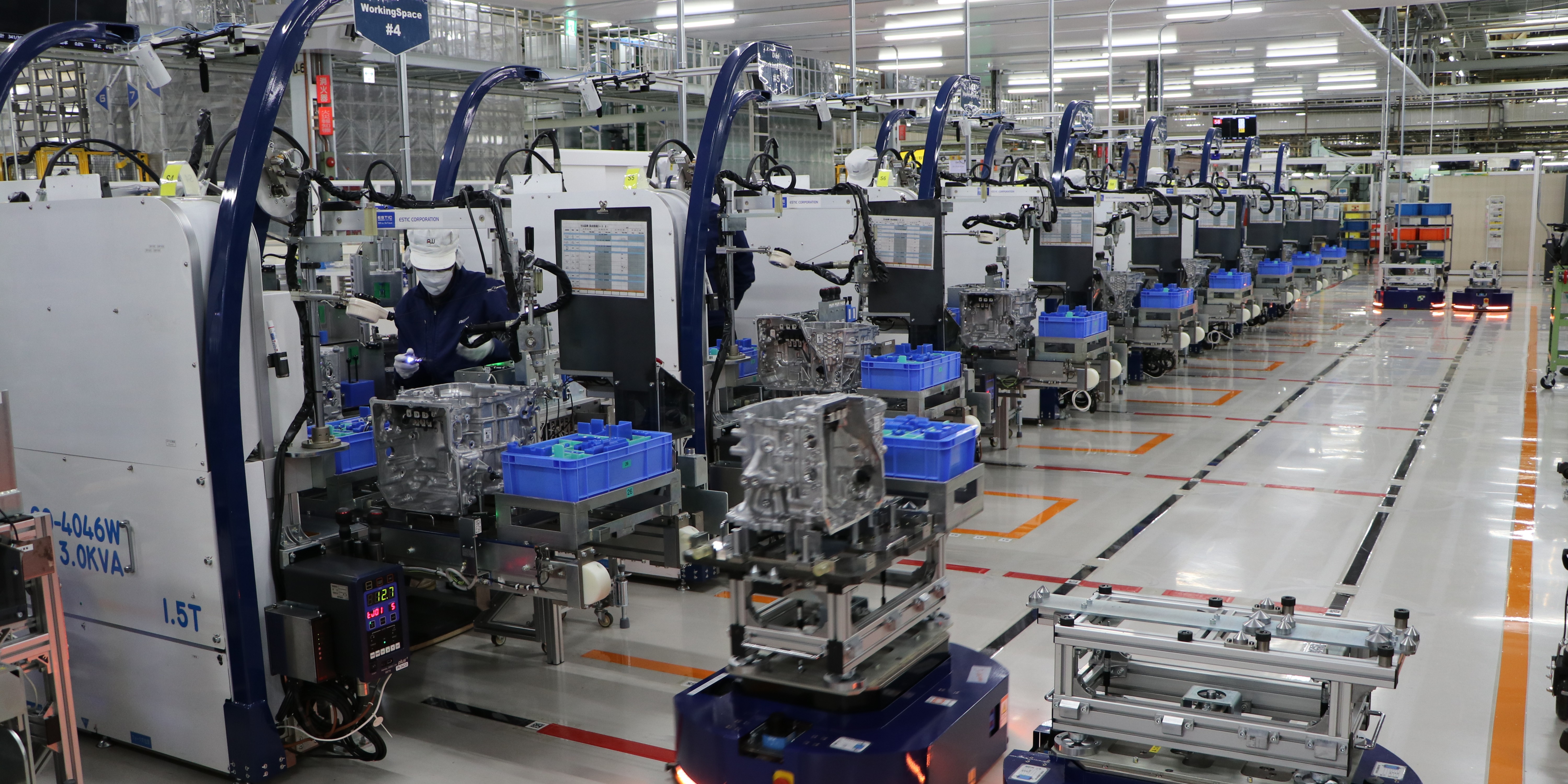
Furthermore, we are progressing with revisions to our production system. To date, the prerequisite for sustained growth has been aggressive capital investment. However, in the future we will build a production system that is responsive to fluctuations in production volume, in addition to restraining capital investment and reducing depreciation.
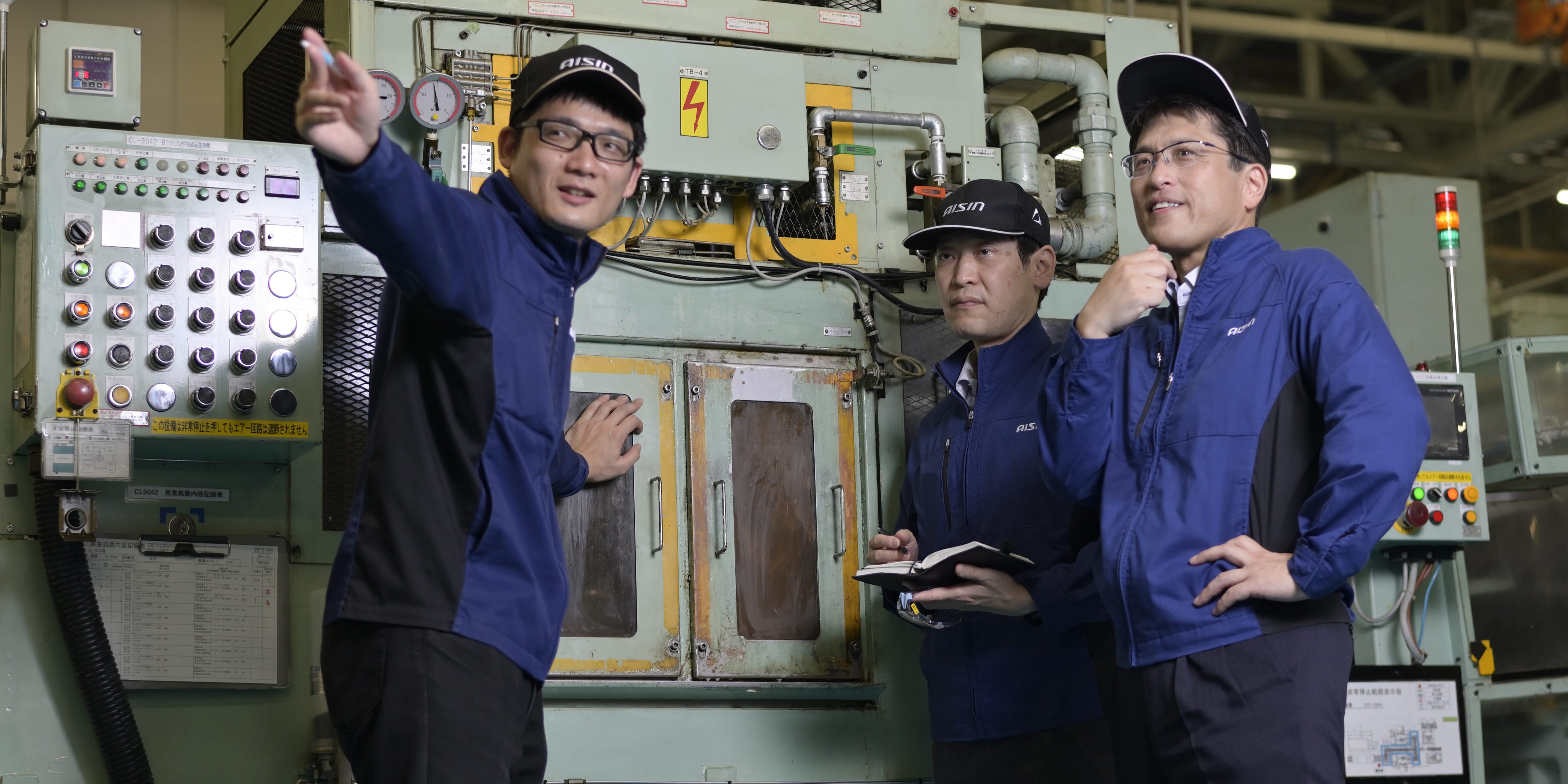
AISIN is taking advantage of various opportunities to carry out fundamental revisions to business processes, mechanisms and systems that feature in its diverse operational fields. By upgrading business efficiency, we are constructing a system whereby the current workload can be undertaken using 70% of the manpower, deploying the remaining 30% in key areas for future growth or diverting them to business that generates new added value.