What were the key initiatives in FY2010 ?
In addition to making structural reforms, we developed and expanded sales of new products to create new growth.
In FY2010, we focused on structural reform initiatives with the aim of quickly returning to the black. In addition, the Group made a collective effort to develop and expand sales of new products to create new growth.
Key initiatives in FY2010
- Structural reform initiatives to ensure a firm foundation
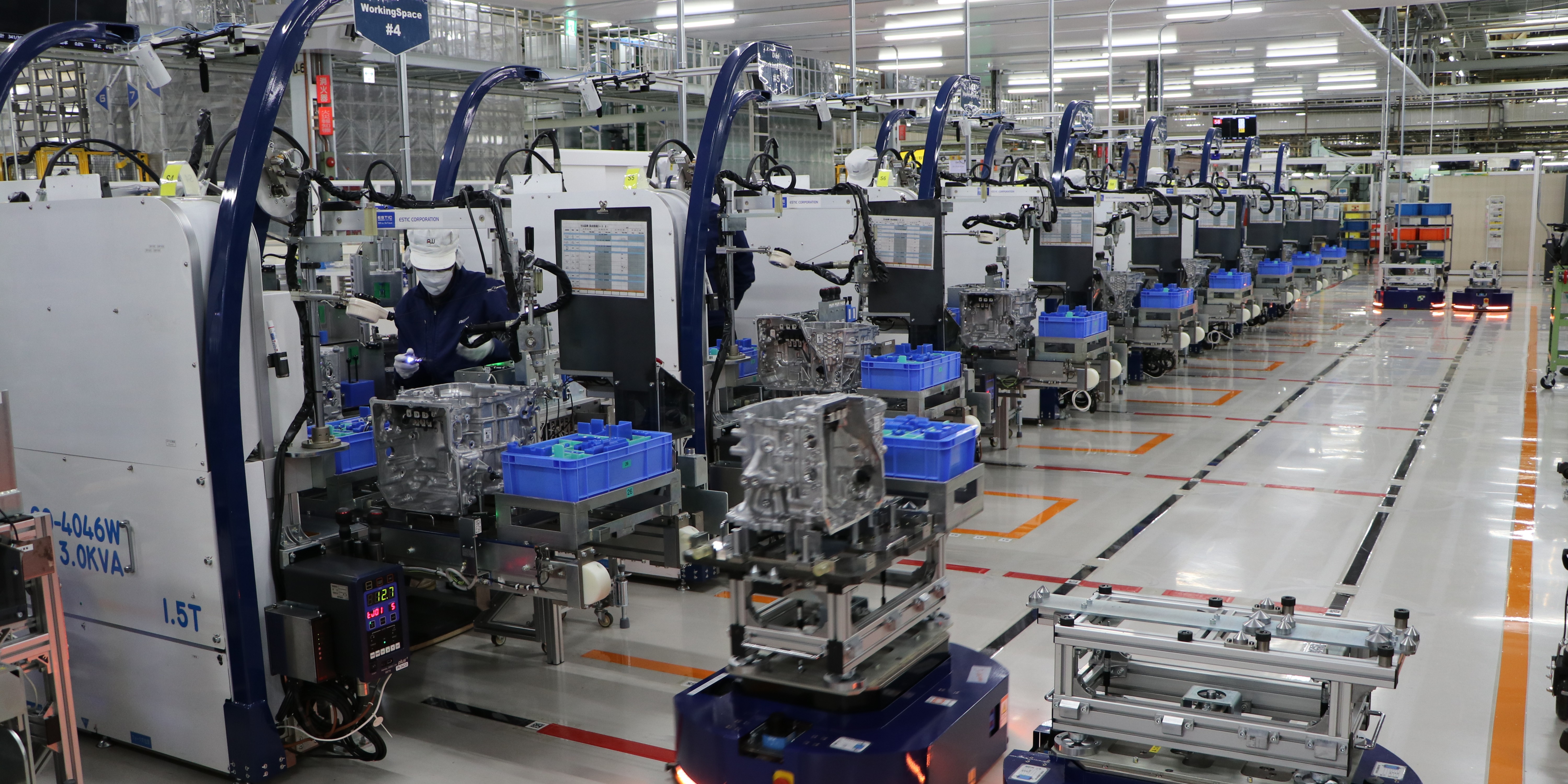
- Extensive improvement in productivity: Raise operational availability*, reduce logistics costs, lower energy costs and curtail supplementary material costs
- Top-to-bottom rethinking of fixed costs: Pursue operational reform and lower capital investment
- Develop and expand sales of new products to create new growth
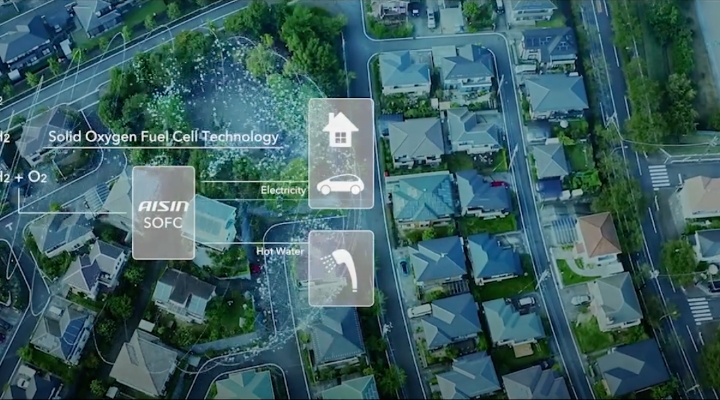
- Develop eco-friendly products
- Develop products that will create a safe and reliable car society
*Operational availability refers to the rate at which a piece of equipment will function normally when it is needed; it also represents the production maintainability and working efficiency of equipment.
1. Structural reform initiatives to ensure a firm foundation
AISIN achieved soaring growth through FY2008 as our clients boosted production. But we are now in a different age. Accordingly, we have endeavored to extensively improve productivity and rethink fixed costs from top to bottom with the aim of creating a streamlined, solid corporate structure capable of weathering production declines. This will allow us to prosper in the next era.
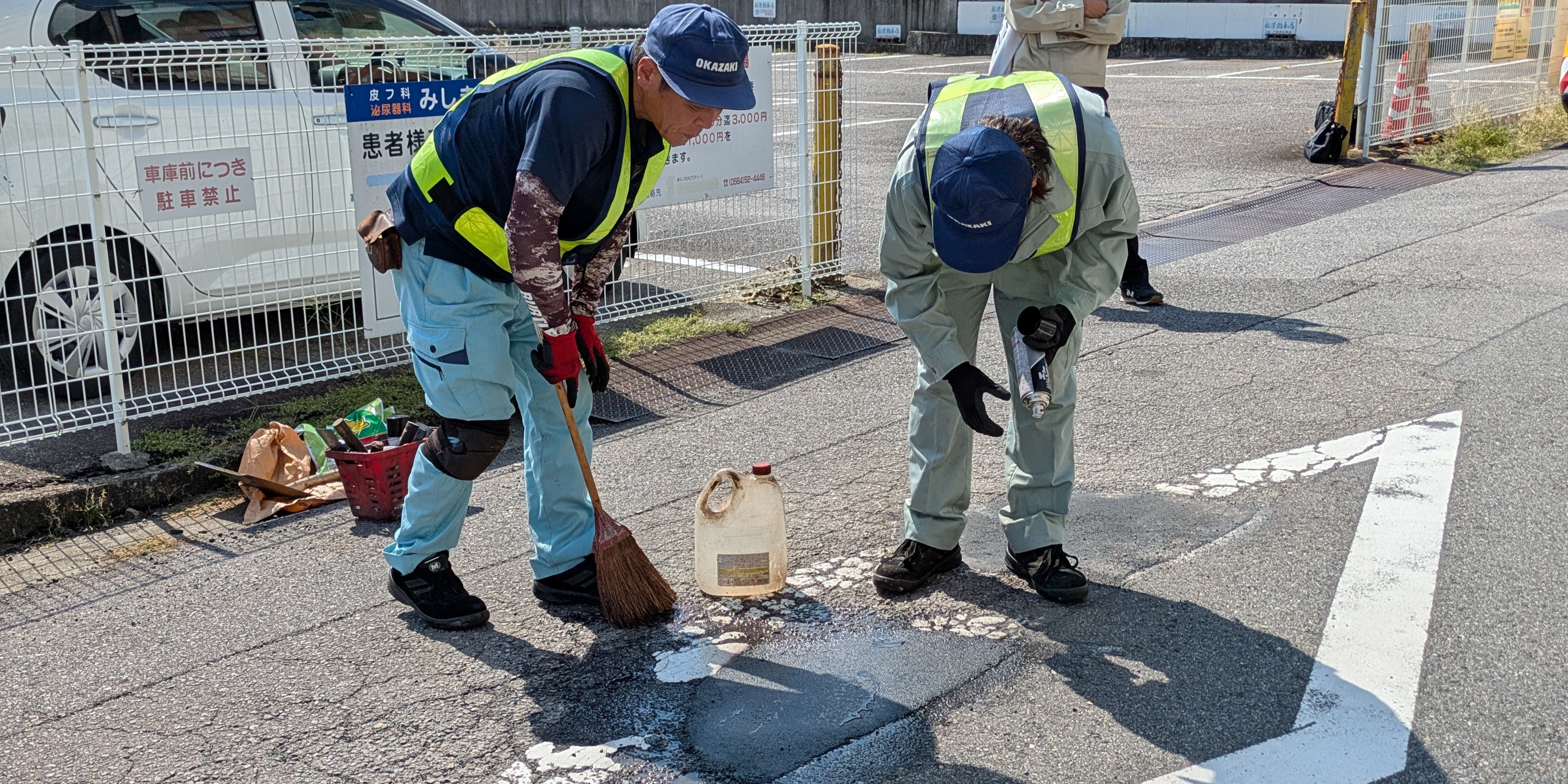
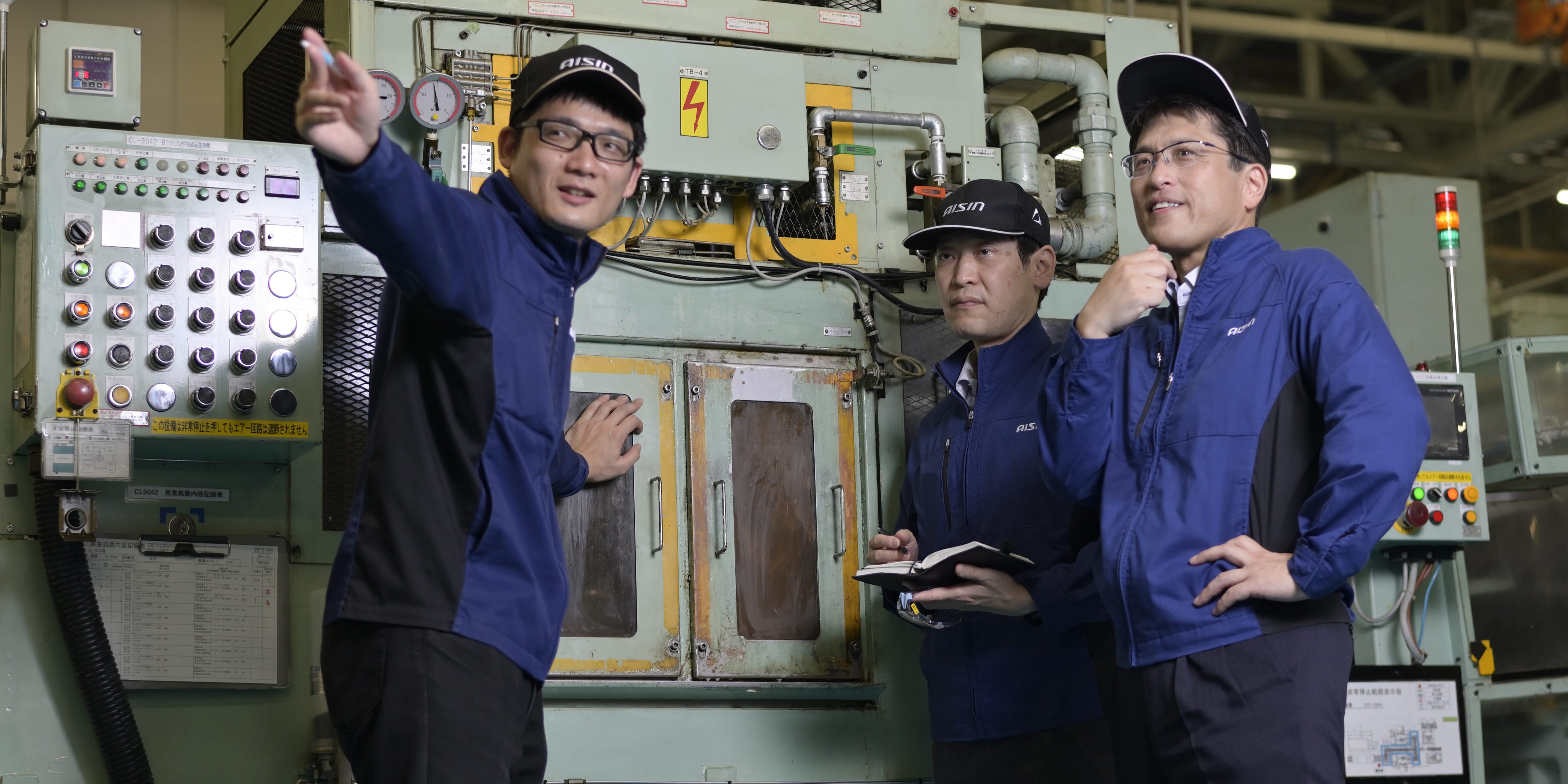
We formed a dedicated project team to address these extensive improvements to productivity. This team carried out a range of activities to make improvements in factories, from raising operational availability to reducing the cost of supplementary materials. Moreover, the entire Company joined in these efforts, starting with myself, including progress inspections carried out by executive officers through on-the-spot reports of the actual site and goods. We exhaustively reviewed fixed costs by promoting operational reform, fully reviewing work processes and methods and reducing capital spending. We encouraged the use of multi-purpose equipment capable of adapting to fluctuations in production volume and leading to lower investments, and also used our current equipment until it was worn out. In this way, we reviewed capital spending from every possible angle. We thoroughly debated the need for investments and only made investments after a rigorous selection process. As a result of these efforts, capital spending was reduced to ¥83.8 billion in FY2010, less than 40% of previous levels.
Capital expenditures